
The Most Flattering Fringe Styles for Women Over 40 (And the Ones to Approach With Care)
A great fringe can completely transform your haircut. It frames the face, draws attention to the eyes and can make hair look more modern without sacrificing length. For women over 40, the right fringe can soften facial features, balance proportions and bring a fresh, contemporary feel to your style. The key is choosing a fringe that works with your face shape, hair texture and lifestyle. Not every fringe works equally well though. Some styles enhance your features beautifully, while others can unintentionally feel heavy or dated. Here are the fringe trends that work best for mature hair, and the ones to approach with a little more care.
What makes a fringe flattering after 40?
A well-cut fringe acts almost like subtle contouring for the face. It can soften strong lines, highlight the eyes and cheekbones and create movement around the front of the haircut. For many women it can also help disguise areas where the hairline may be thinning slightly, which is a natural part of ageing. Before committing to a fringe, there are three things worth considering. Hair texture matters first. Fine hair, thick hair and naturally frizzy hair will behave very differently when cut shorter around the face. If frizz is an issue or blow-drying is challenging, smoothing treatments or anti-humidity styling products such as Color Wow Dream Coat can make fringes far easier to manage. Face shape is equally important because fringes interact with light and shadow across the face. A well-balanced fringe should brighten the face rather than create heaviness around the eyes. Finally, consider lifestyle. Fringes require a little more maintenance than the rest of your haircut, so choosing a style that suits how often you can visit the salon and how much styling you enjoy doing at home will make the biggest difference.
The best fringe styles for women over 40
Some fringe shapes consistently flatter mature faces and hair textures because they add softness and movement rather than heaviness.
The soft side fringe
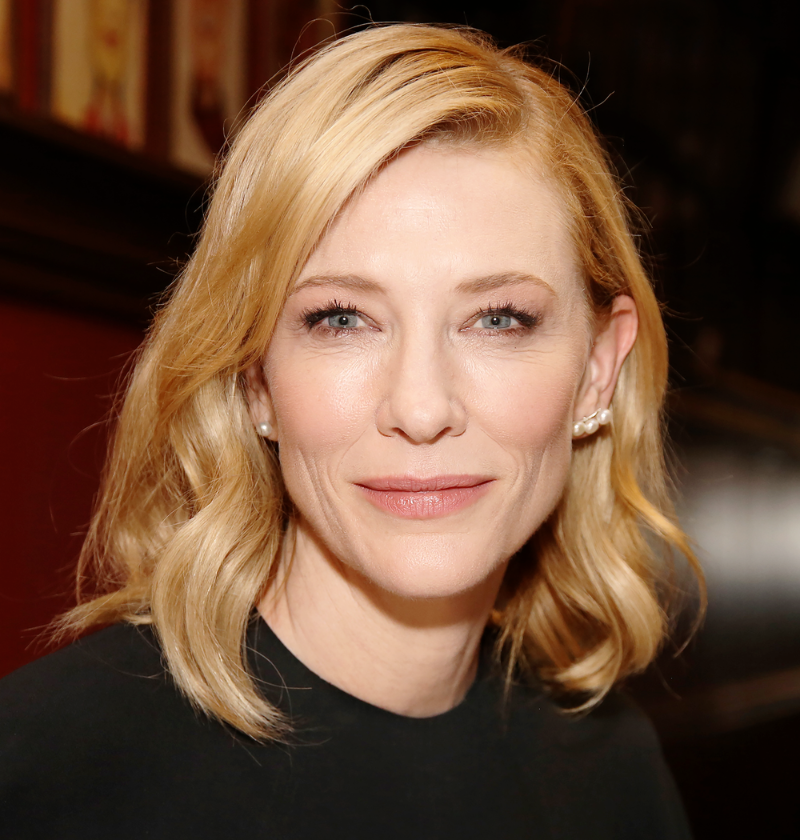
A soft side fringe is one of the most universally flattering options. It blends gently into the haircut and creates natural movement around the face without looking severe. It works especially well for oval and longer face shapes because it softens the forehead. A modern reference for this type of fringe can often be seen on Cate Blanchett, who frequently wears a long sweeping fringe that feels polished but effortless. Another advantage of this style is that it grows out gracefully, making it a lower maintenance choice if you cannot visit the salon every few weeks.
The curtain fringe
Curtain fringes remain one of the most wearable fringe trends. They frame the cheekbones and open the face while still giving the softness of a fringe. This style works beautifully with medium to thick hair and natural waves. A well-known example is Sienna Miller, whose relaxed curtain fringe creates softness around the face without looking heavy. Styling usually involves a round brush or velcro rollers to create lift away from the face, paired with a lightweight volumising spray to give the fringe body and movement.
The feathered fringe
A feathered fringe is lightly layered and textured so it moves naturally rather than sitting heavily on the forehead. This style is particularly flattering for finer hair because it keeps the front light and airy rather than removing too much density. A good example of this softer fringe style can often be seen on Meg Ryan, whose layered hairstyles rely on movement and softness around the face. The feathered finish also prevents the darker shadow that a heavier fringe can sometimes create.
Fringe styles that can be harder to wear
While almost any fringe can work when cut well, some shapes require more precision or styling effort to look modern.
Very heavy blunt fringes
Blunt fringes can look dramatic and incredibly chic, but they require excellent hair condition and careful shaping. A thick straight fringe can sometimes create a strong horizontal line across the face, which may emphasise heaviness rather than softness. That said, when the hair is glossy and the cut is precise, they can look very elegant. Anna Wintour is perhaps the most famous example of a perfectly maintained blunt fringe.
Micro fringes
Very short fringes can look fashion-forward but are more difficult to balance with many face shapes and hair textures. They require frequent maintenance and confident styling to look intentional. For most people they are a bold statement rather than the most flattering everyday option.
Overly rounded fringes
Fringes that are heavily rounded with a round brush and strong hairspray can quickly feel dated. Modern fringes should feel soft, light and natural rather than rigid or sculpted. The aim today is movement and ease rather than a heavily styled shape.
How to care for a fringe properly
One of the biggest misconceptions is that a fringe behaves like the rest of your haircut. In reality it often needs more frequent attention. Many clients come into the salon for a fringe trim halfway between haircuts because even a few millimetres can change how it sits on the face. Because fringes sit against the forehead they also pick up oil and makeup more easily than the rest of the hair. A quick wash in the sink or a light dry shampoo refresh can make a huge difference between washes.
The best way to style a fringe
The most important rule is to style the fringe immediately after washing while it is still damp. If it dries naturally first it can separate or sit incorrectly. Use a hairdryer with the nozzle pointing downward and gently move the hair side to side with a flat brush to create natural movement. For longer fringes a round brush can add lift, but avoid overly rounded shapes that can look stiff or dated.
The easiest fringe refresh trick
If your fringe looks greasy but you do not have time to wash your hair there are two quick solutions. Dry shampoo works well for absorbing oil quickly, or you can simply rinse the fringe in the sink and blow-dry it again. It takes less than a minute and refreshes the entire style.
Can everyone have a fringe?
Most people can wear a fringe if it is cut correctly for their face shape and hair texture. Curly hair can absolutely work with bangs, but the fringe should be cut slightly longer to allow for natural shrinkage and shaped to follow the curl pattern. The key is always working with the hair’s natural movement rather than fighting it.